
Why Children Often Express Emotions Through Behavior Instead of Words


Sometimes Behavior Is the Emotion
Many parents have experienced moments like these:
A child suddenly explodes over something small. A toddler throws toys after becoming frustrated. A child slams a door and refuses to talk. A normally cheerful child becomes clingy, irritable, or withdrawn. A child melts down after school despite “having a good day.”
For parents, these moments can feel exhausting and confusing.
It is natural to focus on the behavior itself:
the yelling
the aggression
the refusal
the attitude
the defiance
the emotional outburst
And while behavior absolutely matters, many parents are surprised to learn that children often communicate emotions through behavior long before they can explain those emotions with words.
At Building Bright Futures, we help families understand that behavior is often communication.
This does NOT mean:
all behavior is acceptable
boundaries disappear
consequences are unnecessary
It means behavior frequently tells us something important about what a child may be experiencing internally.
Children often show emotions before they can fully explain them.
And when parents begin understanding behavior through a developmental and emotional lens, it can completely change how they respond during difficult moments.
Children Feel Emotions Before They Can Explain Them
One of the biggest reasons children express emotions behaviorally is because emotional communication develops slowly.
Children experience:
frustration
embarrassment
anxiety
overwhelm
disappointment
loneliness
stress
fear
long before they fully develop the ability to:
regulate emotions
identify emotions
explain emotions clearly
problem solve calmly
communicate emotional needs effectively
This is especially true for younger children whose brains are still developing emotional regulation and impulse control.
Parents who have already read → Helping Children Talk About Their Feelings: A Parent’s Guide to Building Safe Emotional Communication know that emotional expression is a developmental skill.
Children are not born knowing how to calmly explain: “I’m overwhelmed right now.”
Instead, that overwhelm often appears through behavior.
Behavior Is Often the Nervous System Speaking
When children become emotionally overwhelmed, the nervous system shifts into stress-response mode.
At that point, behavior may become more reactive because the brain is prioritizing survival and regulation rather than communication and reasoning.
This is why emotionally overwhelmed children may:
yell
cry
hit
throw things
withdraw
refuse
run away
become clingy
shut down
argue over small things
In many situations, the behavior itself is signaling: “Something inside me feels too big right now.”
This is one reason → Understanding Big Emotions in Children: Why Kids Melt Down and How Parents Can Help is such an important foundation article for families.
Big emotional reactions are often signs of overwhelm rather than intentional manipulation.
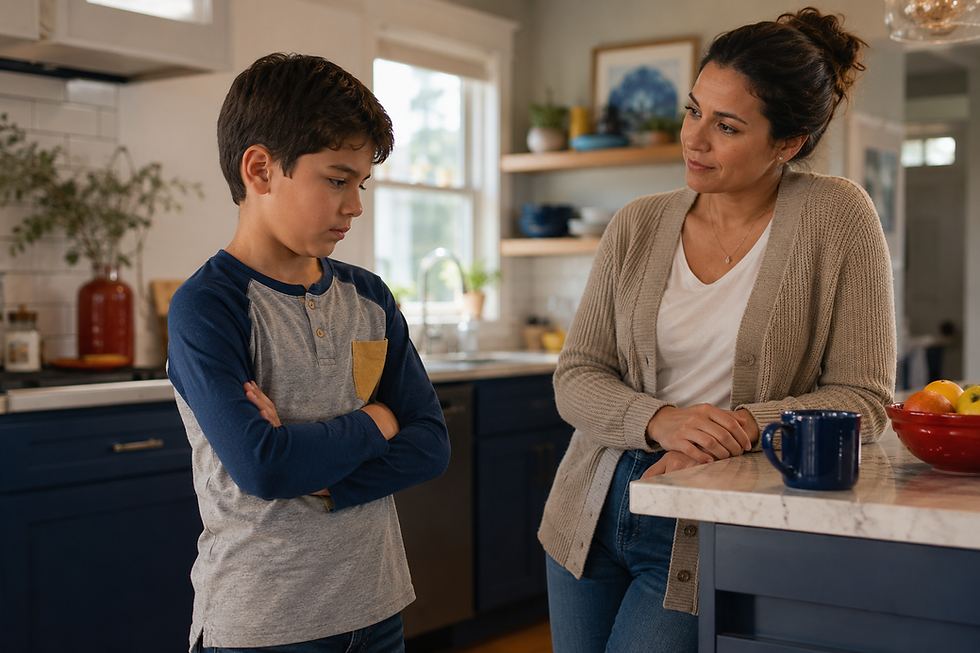
Common Behaviors That May Signal Emotional Struggles
Children communicate emotional stress in many different ways.
Sometimes these emotional signals are loud and obvious.
Other times they are subtle.
Aggression
Children who:
hit
kick
yell
throw objects
lash out
may be experiencing:
frustration
emotional flooding
sensory overwhelm
fear
helplessness
stress
Aggressive behavior still requires boundaries.
But underneath the behavior is often a child struggling to regulate emotions safely.
Withdrawal or Silence
Some children respond to overwhelm by becoming quiet.
Parents may notice:
emotional shutdown
isolation
avoiding conversation
staying in their room
refusing eye contact
This often reflects:
emotional overload
anxiety
shame
exhaustion
difficulty processing emotions
Parents wanting to better understand emotional shutdown may also benefit from:→
Clinginess
Children often become more clingy during periods of:
stress
change
emotional insecurity
transitions
anxiety
Clinginess is frequently a request for:
reassurance
connection
regulation
emotional safety
Irritability
Sometimes emotional stress appears as:
snapping
arguing
complaining
emotional sensitivity
overreacting to small frustrations
Children who seem “moody” are not always being intentionally difficult.
Sometimes their nervous systems are overloaded.
Emotional Explosions After School
Many children work extremely hard all day to:
follow rules
manage emotions
stay socially regulated
meet expectations
By the time they return home, emotional exhaustion can surface quickly.
This is why → After-School Meltdowns: What’s Really Going On (and How to Help) resonates with so many families.
Children often release emotions where they feel safest.
Why Children Often Behave Differently at Home
One of the most confusing things for parents is hearing:
“They never act like this at school.”
But children commonly behave differently in environments where they feel safest emotionally.
Home is often the place where children:
decompress
release stress
process emotions
let their guard down
That does not mean home behavior should be ignored.
But it does help explain why emotional reactions sometimes appear strongest with parents.
Children often trust parents enough to release emotions they worked hard to contain elsewhere.

What Behavior May Actually Be Communicating
When children struggle emotionally, behavior often carries emotional messages underneath it.
For example:
A child yelling may actually be saying:
“I feel overwhelmed.”
“I don’t feel understood.”
“I need help regulating.”
A child refusing may be saying:
“I feel powerless.”
“I’m emotionally flooded.”
“This feels too hard right now.”
A child becoming clingy may be saying:
“I need reassurance.”
“I don’t feel emotionally safe.”
“I need connection.”
A child shutting down may be saying:
“I don’t know how to explain this.”
“My emotions feel too big.”
“I need more time.”
This does not excuse harmful behavior.
But understanding emotional meaning changes how parents respond.
Responding to the Emotion Without Ignoring the Boundary
One of the biggest misconceptions about emotionally aware parenting is the idea that understanding emotions means eliminating boundaries.
Healthy parenting requires BOTH:
emotional understanding
AND
clear limits
Children need emotional safety and structure at the same time.
For example:
Instead of: “Stop yelling right now!”
A more emotionally supportive response may sound like:
“I can see you’re really upset right now. I won’t let you yell at me, but I want to help you figure out what’s going on.”
This approach teaches:
emotions are allowed
unsafe behavior is not
emotional communication matters
relationships remain safe during difficult moments
That balance is extremely important.
Children Need Regulation Before Problem Solving
Children cannot learn effectively while emotionally overwhelmed.
When nervous systems are dysregulated, logical thinking becomes harder.
This is why parents often notice that:
lectures fail during meltdowns
consequences escalate reactions
reasoning does not work during emotional flooding
Children first need help regulating emotionally.
This may include:
slowing down
reducing stimulation
offering physical closeness
breathing together
staying calm
giving space when needed
Only AFTER regulation improves can problem solving happen effectively.
Parents wanting additional regulation support may also benefit from:→ Calm-Down Strategies That Actually Work for Young Children
Why Punishment Alone Often Misses the Root Problem
Consequences and accountability matter.
But punishment alone does not teach emotional regulation.
If a child repeatedly reacts through behavior because they lack:
emotional vocabulary
regulation skills
coping tools
stress management abilities
then punishment alone may not solve the deeper issue.
Children often need support learning:
emotional awareness
coping skills
communication strategies
regulation tools
This is where emotionally supportive parenting becomes so important.

Helping Children Build Emotional Awareness
One of the best long-term ways to reduce emotional behaviors is helping children understand emotions earlier.
Parents can support emotional awareness by:
naming feelings
modeling emotional language
validating emotions calmly
helping children identify body sensations
discussing emotions during calm moments
creating emotional safety at home
For example:
“You seemed frustrated when that happened.” “That felt disappointing.” “I wonder if your body felt overwhelmed.”
These conversations help children gradually connect: emotions → awareness → communication.
Behavior Usually Improves When Children Feel Understood
Children are more likely to regulate emotions successfully when they feel:
emotionally safe
connected
heard
supported
understood
This does not mean parents remove expectations.
It means emotional connection helps children develop the skills needed to manage emotions more effectively over time.
Parents who focus only on stopping behavior often miss the emotional need underneath it.
But parents who recognize both:
the behavior
AND
the emotional experience
are often better able to support long-term emotional growth.
What Children Actually Need During Emotional Overload
During emotionally intense moments, children often need:
calm adult regulation
emotional safety
connection
predictability
reassurance
structure
patience
Not perfection.
Children learn emotional regulation gradually through supportive relationships.
And parents do not have to handle those challenges alone.
When Behavior May Need Additional Support
Some emotional behaviors are developmentally normal.
However, families may benefit from additional support if children regularly experience:
severe aggression
persistent emotional shutdown
ongoing anxiety
intense emotional dysregulation
prolonged sadness
difficulty functioning socially or academically
major behavioral changes
Seeking support is not failure.
It is responsive parenting.
Organizations like Building Bright Futures help support families through:
parenting workshops
emotional regulation education
support groups
community resources
practical parenting guidance
Families deserve support while navigating emotional and behavioral challenges.
Looking Beyond the Behavior
It is easy to focus only on what children are doing externally.
But behavior often tells a deeper story.
Sometimes underneath:
yelling
refusing
crying
withdrawing
arguing
emotional explosions
is a child who:
feels overwhelmed
lacks emotional vocabulary
feels emotionally unsafe
does not yet know how to regulate big emotions
Children are still learning how to understand themselves.
And supportive relationships help shape that learning.
When parents begin asking: “What might my child be feeling underneath this behavior?”
instead of only: “How do I stop this behavior?”
they often create more opportunities for emotional growth, connection, regulation, and trust.
That shift can become one of the most powerful parts of emotionally supportive parenting.
Common Questions Parents Ask About Behavior and Emotions
Is behavior really communication?
Often, yes. Children frequently express emotions behaviorally before they can communicate them verbally. Behavior can provide important clues about emotional overwhelm, stress, fear, frustration, or unmet needs.
Does understanding emotions mean there should be no consequences?
No. Children still need boundaries and accountability. Emotionally supportive parenting combines emotional understanding with clear, healthy limits.
Why does my child act worse at home?
Children often release emotions where they feel safest emotionally. Many children work hard to stay regulated at school or in public before emotionally decompressing at home.
Why does my child melt down over small things?
Sometimes the visible trigger is small, but the emotional load underneath it is much larger. Stress, overwhelm, exhaustion, sensory overload, or emotional buildup can all intensify reactions.
How can I help my child express emotions more appropriately?
Helping children build emotional vocabulary, emotional safety, regulation skills, and communication tools all support healthier emotional expression over time.
Key Takeaways
Behavior is often emotional communication.
Children frequently feel emotions before they can explain them.
Emotional overwhelm often appears through behavior first.
Stress responses can reduce a child’s ability to communicate calmly.
Behavior still requires boundaries and guidance.
Emotional understanding and accountability can exist together.
Regulation must happen before problem solving.
Emotional safety helps children develop healthier communication skills.
Children are more likely to regulate emotions when they feel understood.
Supportive relationships help children build long-term emotional resilience.
Helping Children Feel Understood Beneath the Behavior
When children express emotions through behavior, it can be easy to focus only on stopping the reaction itself.
But many behaviors are carrying emotional messages underneath them.
Children are still learning:
how emotions work
how to regulate overwhelm
how to identify feelings
how to communicate safely
how to ask for help
That learning takes time, support, patience, and emotionally safe relationships.
At Building Bright Futures, we support families through:
Parents do not have to navigate emotional and behavioral challenges alone.
With guidance, connection, and emotional support, children can gradually build the skills needed to communicate feelings more safely, manage overwhelm more effectively, and strengthen emotional resilience over time.


Comments