
Child Development Milestones Every Parent Should Know (And How to Support Them)


Every child grows and develops at their own pace. Some children speak earlier, some move faster, and some take more time to build social confidence. Because development varies so much between children, many parents wonder if their child is progressing normally.
Understanding child development milestones can help parents feel more confident about what to expect during different stages of childhood.
Developmental milestones are not strict deadlines or tests that children must pass.
Instead, they are general patterns of growth that help parents and caregivers understand how children learn new skills over time.
These milestones include areas such as:
emotional development
social interaction
communication skills
problem-solving abilities
independence and self-confidence
When parents understand these stages, they are better able to support their child's learning and emotional well-being.
Child development does not happen all at once. It happens gradually through everyday experiences, relationships, play, exploration, and guidance from caring adults.
Supportive environments, positive relationships, and opportunities for learning all contribute to healthy development.
Organizations like Building Bright Futures focus on helping families understand these developmental stages so children receive the support they need to grow into confident, emotionally healthy individuals.
The goal is not to rush development but to nurture growth in ways that match a child’s natural pace and abilities.
The Five Key Areas of Child Development
Child development is often divided into several core areas. Each area supports the others, and growth in one area often influences growth in another.
Understanding these areas can help parents see how different skills develop together.
1. Emotional Development
Emotional development refers to a child’s ability to recognize, express, and manage feelings.
In early childhood, emotions can feel overwhelming because children are still learning how to regulate them. As children grow, they gradually learn how to handle frustration, disappointment, excitement, and fear in healthier ways.
Parents play an important role in this process by helping children name emotions and understand their experiences.
If you haven’t already read it, our guide on Helping Children Talk About Their Feelings explains how emotional communication supports healthy development.
2. Social Development
Social development focuses on how children interact with others.
Young children first learn social skills through relationships with parents and caregivers.
As they grow older, they begin practicing these skills with siblings, friends, teachers, and classmates.
Important social skills include:
sharing
cooperation
empathy
communication
conflict resolution
Learning these skills takes time and practice. Children often make mistakes along the way, which is part of how they learn.
Positive social experiences help children build confidence and develop healthy relationships throughout life.
3. Communication and Language Development
Communication skills develop rapidly during early childhood.
Babies begin by communicating through sounds, gestures, and facial expressions. Over time, these early forms of communication develop into words, sentences, and conversations.
Language development supports many areas of growth, including learning, problem-solving, and emotional expression.
Children who can describe their thoughts and feelings often have an easier time managing frustration and communicating their needs.
Parents can support language development by talking with children frequently, reading together, asking questions, and encouraging conversation during everyday activities.
4. Cognitive Development
Cognitive development refers to how children think, learn, remember, and solve problems.
Young children are naturally curious. They explore the world by asking questions, experimenting, and observing how things work.
Activities that support cognitive development include:
puzzles
building blocks
creative play
storytelling
exploring nature
asking questions
These experiences help children develop critical thinking skills and build confidence in their ability to solve problems.
5. Physical Development
Physical development includes both large motor skills and fine motor skills.
Large motor skills involve activities such as running, jumping, climbing, and balancing.
Fine motor skills involve smaller movements like drawing, writing, or picking up small objects.
Physical activity supports not only physical health but also emotional and cognitive development.
Active play allows children to release energy, explore their environment, and develop coordination and confidence.

Why Developmental Milestones Are Guidelines, Not Rules
One of the most important things parents should remember is that developmental milestones are general guidelines rather than strict timelines.
Children develop at different speeds depending on many factors, including personality, environment, learning opportunities, and individual strengths.
Some children may reach certain milestones earlier than others, while some may take a little longer.
Both patterns can be completely normal.
Comparing children too closely can sometimes create unnecessary worry. Instead of focusing on exact timelines, it is often more helpful to look at overall patterns of growth.
Parents can ask questions like:
Is my child continuing to learn new skills over time?
Does my child show curiosity about the world?
Is my child developing new ways to communicate and interact?
When growth continues steadily over time, it is usually a sign that development is progressing well.
However, if parents notice significant delays or challenges in certain areas, seeking guidance from child development professionals can provide helpful insight and support.
Early support can make a meaningful difference in helping children overcome obstacles and build new skills.
Supporting Healthy Development at Home
Parents do not need complicated programs or expensive tools to support healthy child development. Many of the most powerful learning experiences happen during everyday family life.
Simple activities such as talking, playing, reading, and spending time together create opportunities for learning and growth.
One of the most important things parents can provide is a safe and supportive relationship.
Children who feel emotionally secure are more likely to explore, ask questions, and try new things.
Supportive parenting includes:
listening with patience
encouraging curiosity
celebrating effort rather than perfection
allowing children to make small mistakes while learning
Play is another powerful learning tool. Through play, children practice creativity, problem-solving, communication, and cooperation.
Unstructured play, where children use imagination and explore freely, can be especially beneficial for development.
Reading together is also one of the most effective ways to support language and cognitive growth.
Storytime encourages imagination, strengthens communication skills, and creates opportunities for emotional connection between parents and children.
These everyday moments build the foundation for healthy development.

Developmental Milestones by Age Group
While every child develops at their own pace, understanding general milestones by age can help parents recognize patterns of growth and better understand how to support them.
These milestones should never be treated like a strict checklist. They are better used as a roadmap that shows how children often grow over time. Some children move ahead more quickly in one area and more slowly in another. A child may have strong language skills but need more time socially. Another may be physically active and curious but slower to verbalize emotions.
That range can be normal.
What matters most is not whether a child is doing everything on an exact timeline, but whether they are continuing to grow, build skills, and engage with the world around them in meaningful ways.
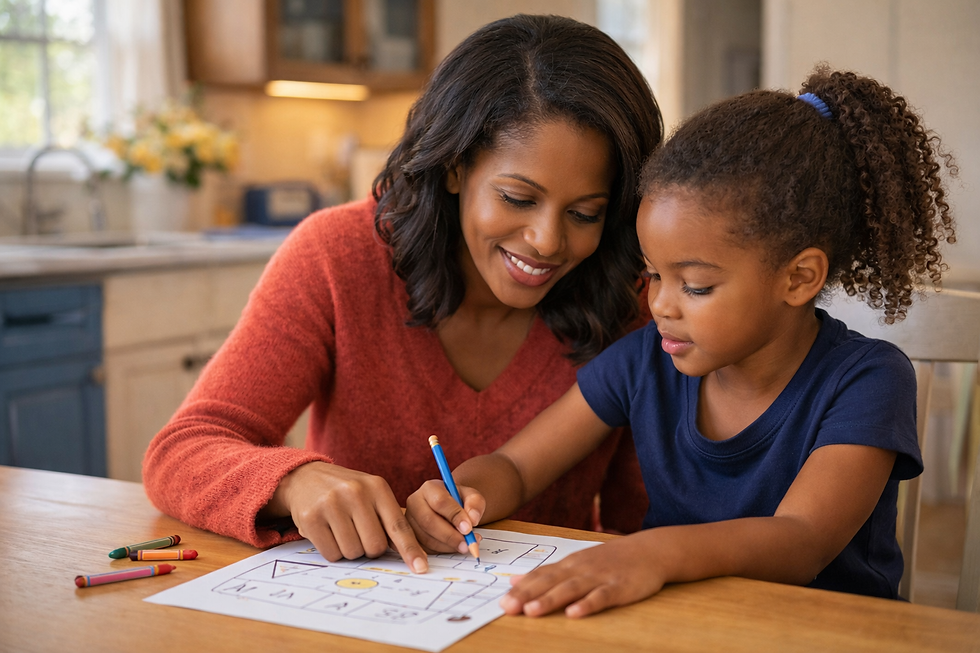
Infants (0–12 Months)
During the first year of life, development happens rapidly. Babies begin forming attachments, recognizing voices, responding to facial expressions, and learning how the world works through movement and interaction.
Key milestones may include:
responding to familiar faces and voices
making eye contact
smiling socially
babbling and experimenting with sounds
reaching, grasping, and exploring objects
showing early preferences and emotional responses
At this stage, emotional development is deeply connected to attachment, safety, and trust. Babies learn through repeated experiences that adults are dependable, responsive, and comforting.
Parents support development during infancy by:
talking, singing, and reading aloud
responding consistently to cues
holding, comforting, and making eye contact
providing safe space for movement and exploration
creating routines that help the child feel secure
These early patterns matter. When babies experience responsive care, they begin building the foundation for emotional security, social trust, and later communication.
Toddlers (1–3 Years)
Toddlerhood is one of the most dynamic stages of development. Children at this age are learning independence quickly, but they still rely heavily on adults for support, structure, and emotional regulation.
This is often the stage where parents begin to notice stronger opinions, more visible frustration, and a rapidly growing desire for autonomy.
Key milestones may include:
using simple words and short phrases
following simple directions
showing interest in doing things independently
exploring constantly and testing limits
expressing affection, frustration, or excitement more clearly
beginning to imitate adult actions and routines
Toddlers are in a major developmental tension: they want independence, but they do not yet have the full skills to manage that independence smoothly. This is why transitions, limits, and disappointment can create such strong reactions.
This stage connects closely with what we explored in Understanding Big Emotions in Children, because toddlers often feel things very intensely before they can explain them clearly.
Parents can support toddler development by:
offering limited choices to build confidence
naming emotions as they happen
keeping routines predictable
using simple language and repetition
encouraging exploration while maintaining safe boundaries
Toddler development can be messy, loud, and exhausting, but it is also a time of enormous learning.
Preschoolers (3–5 Years)
Preschool-aged children begin showing more noticeable gains in communication, imagination, social awareness, and self-expression. They start understanding that other people have feelings, perspectives, and reactions too.
Key milestones may include:
speaking in full sentences
asking many questions
engaging in imaginative and pretend play
starting to understand turn-taking and sharing
forming early friendships
identifying some basic emotions in themselves and others
This is also the age when children start learning how to function in more group-oriented environments. Whether in preschool, daycare, playgroups, or structured activities, they begin practicing cooperation and conflict more regularly.
Parents can support development in this stage by:
reading stories that involve emotions, friendship, and problem solving
asking open-ended questions
encouraging pretend play
helping children talk through small conflicts
reinforcing effort, patience, and kindness
Preschoolers still need a lot of adult guidance, but they are beginning to build the emotional and social tools that will shape school readiness and relationship skills.
Early School Age (5–8 Years)
As children move into early school age, the developmental picture becomes more complex. They are expected to manage more structure, more social dynamics, and more responsibility.
Key milestones may include:
stronger storytelling and conversation skills
improved attention and memory
growing awareness of fairness and rules
stronger friendships and peer influence
more independence in routines and tasks
improved ability to name and discuss feelings
At this stage, children are often more capable than they were in earlier years, but they still need significant support. Parents sometimes assume school-aged children should already know how to handle frustration, disappointment, and social conflict. In reality, many of these skills are still developing.
Children this age benefit from guidance that helps them process friendship challenges, academic pressure, routine changes, and emotional setbacks.
Parents can support development by:
talking regularly about school and social situations
encouraging children to describe feelings in words
helping them break problems into smaller steps
supporting healthy routines around sleep, meals, and downtime
reinforcing persistence instead of perfection
The early school years are often when parents can see the long-term value of the emotional foundations built earlier.
Older Children (8–12 Years)
As children get older, their emotional world becomes more layered. They begin developing stronger self-awareness, more complex peer relationships, and a greater sensitivity to belonging, success, and comparison.
Key milestones may include:
stronger reasoning and problem-solving skills
increased independence in daily routines
more complex emotional language
stronger peer relationships and social awareness
greater ability to reflect on behavior and consequences
a deeper sense of identity and self-esteem
At this stage, children may look more independent outwardly but still need significant emotional support. In fact, because their social world becomes more important, they often need more nuanced guidance rather than less.
Parents can support development by:
keeping communication open without making every conversation feel intense
validating struggles without overreacting
encouraging responsibility while staying emotionally available
discussing social pressure, friendship, and confidence
modeling calm problem solving
Older children are building the internal framework they will carry into adolescence. The habits of trust, communication, and emotional reflection developed earlier continue to matter a great deal here.

How Emotional Development Connects to Everything Else
Parents often think of development in separate categories: speech, behavior, emotions, learning, and social skills. In reality, these areas are deeply connected.
A child who struggles to communicate may become frustrated more quickly. A child with weak sleep routines may have a harder time managing emotions. A child who feels insecure socially may appear withdrawn or unusually reactive at home.
This is why development should be looked at as a whole.
Emotional development affects a child’s ability to learn, connect, solve problems, and recover from setbacks. Social development affects confidence and communication.
Language development affects emotional expression. Physical regulation affects focus and behavior.
When one area strengthens, others often benefit too.
For example, a child who learns to say “I’m frustrated” may become less likely to act that feeling out physically. A child who feels secure in relationships may become more curious and willing to try new things. A child who builds confidence through play may become more socially flexible.
That whole-child perspective is essential.
It is also one reason why family-centered organizations like Building Bright Futures are so valuable. Children do best when the support they receive recognizes that emotional, social, and developmental growth all influence each other.
Signs Your Child Is Building Emotional Resilience
Emotional resilience is not always dramatic. It often shows up in small, encouraging changes over time.
Parents may notice resilience growing when children:
recover more quickly after disappointment
start using words instead of only reactions
try again after something feels difficult
accept help without shutting down
show empathy toward siblings or peers
tolerate small frustrations better than they used to
begin solving simple problems with guidance
These are significant signs of progress.
Resilience is not about never crying, never getting upset, or never struggling. It is about learning that hard moments can be tolerated and worked through.
Children build resilience when adults respond with steadiness. That does not mean rescuing them from every struggle. It means helping them face manageable difficulty with support.
For example, when a child gets frustrated during a puzzle, a parent does not need to solve it immediately. Instead, they might say:
“You’re working hard on that.”“I know it feels tricky right now.”“Let’s take another look together.”
That kind of support builds confidence without removing challenge.
This also connects directly with Helping Children Talk About Their Feelings because children who can express what they feel are often better able to recover and move forward.

When Parents May Want to Seek Additional Support
It is completely normal for parents to have questions about development. It is also completely okay to seek support before a concern feels serious.
Parents may want additional guidance if they notice:
limited progress in communication over time
persistent difficulty connecting socially
very intense emotional reactions that do not improve
little interest in play, interaction, or exploration
ongoing struggles with routines that feel beyond what seems age-appropriate
major frustration in the child or the family around daily functioning
Sometimes a child needs more support in one area. Sometimes parents simply need clarity about what is typical and what may benefit from extra attention.
Seeking support early can help families:
understand developmental patterns more clearly
reduce stress and uncertainty
get practical tools for home routines and communication
strengthen parent confidence
support the child before challenges grow larger
Getting help is not an overreaction. It is often a thoughtful and proactive step.
Parents should never feel like they have to wait until they are overwhelmed. Even small concerns are worth asking about if they help the family move forward with more clarity and confidence.

Creating Everyday Opportunities for Growth
One of the most encouraging truths about development is that children do not only learn in formal settings. They learn constantly in ordinary life.
That means many of the best developmental supports are already available in everyday family routines.
Children grow through:
Conversation: Simple back-and-forth interaction builds language, confidence, and emotional understanding.
Play: Play supports imagination, social learning, flexibility, creativity, and problem solving.
Reading: Books help children develop language, emotional awareness, listening, and curiosity.
Routines: Predictable routines create safety and reduce unnecessary stress.
Encouragement Children grow when adults notice effort, persistence, and progress.
Exploration: Walks, questions, nature, pretend play, and small discoveries all support development.
Parents do not need to do everything perfectly. What helps most is being present, responsive, and engaged often enough that children feel secure and supported.
A child who feels safe in relationship has a stronger foundation for learning almost everything else.
Supporting Growth With Confidence
Understanding child development milestones gives parents something valuable: perspective. It helps them see that growth is happening in stages, that variation is normal, and that support matters deeply.
Children do not need perfect parents. They need responsive parents. They need adults who notice, encourage, guide, and stay present through each stage of growth.
Some phases will feel easier than others. Some stages will bring questions, frustration, or uncertainty. That is part of parenting. What matters is continuing to build an environment where children feel safe to grow, safe to struggle, and safe to keep learning.
When families understand development more clearly, they are better able to respond with patience instead of panic and with support instead of pressure.
If you have questions about your child’s development, want help understanding milestones, or would like guidance on how to better support growth at home, Building
Bright Futures is here to help.
Call us today or fill out our online contact form to learn more about our programs, family support services, and resources for helping children thrive at every stage.
Common Questions Parents Ask About Child Development
What if my child is behind in one area but strong in another?
That can be very normal. Development is not always even across all areas. A child may be advanced verbally but slower socially, or physically confident but still learning emotional language. Patterns matter more than perfect balance.
Should I worry if my child develops differently than a sibling?
Not necessarily. Siblings can develop very differently because temperament, interests, and experiences vary. Comparisons are common, but they are not always helpful.
How much does environment affect development?
A great deal. Relationships, routines, stress levels, opportunities for play, language exposure, and emotional safety all influence growth. Children thrive when their environment supports exploration and connection.
What matters more: milestones or overall progress?
Overall progress matters more. Milestones are useful reference points, but steady growth, engagement, and increasing skill over time are often more meaningful than exact timing.
Can emotional support really affect learning and development?
Yes. Children who feel emotionally secure are generally better able to learn, communicate, recover from frustration, and build confidence. Emotional support is not separate from development. It is part of it.
When should I trust my instincts as a parent?
Always take your instincts seriously. Parents are often the first to notice when something feels off or when a child may need extra support. Asking questions early is a strength, not a weakness.
Key Takeaways: Supporting Your Child’s Development
Child development is not a race, and it is not a scorecard. It is a process of growth that unfolds over time through relationships, play, communication, and support.
Here are the most important takeaways:
Every child develops at their own pace. Milestones are helpful guidelines, not rigid deadlines.
Development happens across multiple connected areas. Emotional, social, language, cognitive, and physical growth influence one another.
Parents play a powerful role in development. Everyday moments of connection matter more than perfection.
Play, conversation, and routine are some of the strongest tools families have. Small repeated experiences create long-term growth.
Emotional safety supports learning. Children develop best when they feel secure, seen, and supported.
Seeking support is a healthy step. Parents do not need to figure everything out alone.
Comments