
Screens, Dopamine & Kids: What Parents Are Worried About in 2026


Why Screen Anxiety Feels So High Right Now
In 2026, parenting conversations around screens feel louder — and heavier — than ever.
Parents worry about:
shortened attention spans
emotional dysregulation
dopamine overload
addiction
social skills
sleep disruption
long-term brain impact
Scroll through headlines or social media and it’s easy to feel like screens are either destroying childhood or completely unavoidable — with very little room in between
.
At Building Bright Futures (BBF), we take a different approach: Screens are not inherently harmful — but context, content, timing, and support matter deeply.
This article breaks down what research actually tells us about screens, dopamine, and development — and how families can make thoughtful, realistic choices without panic or perfectionism.
Why Dopamine Is Suddenly a Parenting Buzzword
Dopamine is often described online as a “reward chemical,” but that’s an oversimplification.
Dopamine is involved in:
motivation
anticipation
learning
attention
habit formation
Screens — especially fast-paced, highly stimulating content — can activate dopamine pathways more intensely than slower, real-world experiences.
This doesn’t mean screens are “bad.” It means they are powerful.
And powerful tools require guidance.
What Research Actually Says About Screens
The research on screen time is nuanced — not extreme.
Key findings show that:
Content matters more than total time
Passive, fast-paced content has a different impact than interactive or educational content
Screens are most disruptive when they replace sleep, play, or human interaction
Adult co-engagement dramatically reduces negative effects
Emotional regulation develops through relationships, not screens alone
Screens don’t damage children in isolation — problems arise when screens replace developmentally essential experiences.
Attention Spans: Shorter — or Just Different?
One major fear parents have is that screens are “ruining attention spans.”
Here’s the reality:
Young children naturally have short attention spans
Attention develops gradually with age
Stress, fatigue, hunger, and emotional overload affect focus far more than screens alone
Fast-paced digital content can make it harder for some children to tolerate slower activities temporarily — but that doesn’t mean permanent damage.
Attention is a skill that strengthens with:
play
movement
routines
emotional regulation
adult guidance
Screens don’t erase attention — but they shouldn’t dominate a child’s day either.
Emotional Regulation & Screens
Screens are often blamed for emotional dysregulation — but the relationship is more complex.
Screens can:
calm children temporarily
provide sensory input
distract from distress
But screens do not teach regulation skills.
Children learn emotional regulation through:
co-regulation with caregivers
predictable routines
play
physical movement
language for emotions
When screens become the primary coping tool, children miss opportunities to build these skills.
The issue isn’t screens — it’s over-reliance.
Why Screens Feel So Helpful (And Why That’s Okay)
Parents use screens because they:
offer a break
help manage transitions
provide moments of calm
make life manageable
This does not make you a “lazy” or “bad” parent.
Screens often support parents — and parent regulation matters, too.
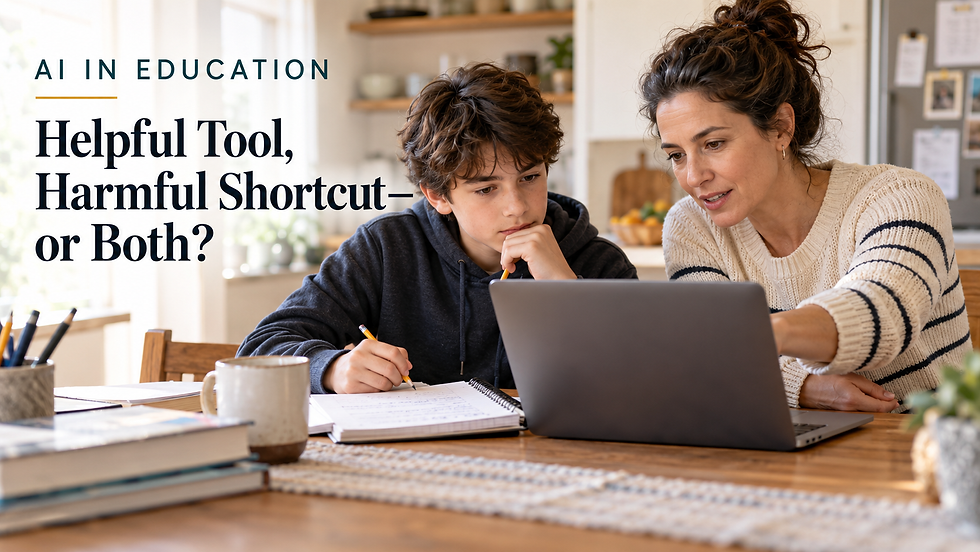
The goal isn’t elimination. The goal is balance and intention.
What Makes Screen Time Healthier
Research and clinical guidance consistently highlight these protective factors:
✔ Age-Appropriate Content
Slower pacing, simple visuals, limited scene changes.
✔ Time Boundaries
Clear start and stop times — not endless access.
✔ Co-Viewing When Possible
Talking about what’s happening builds language and connection.
✔ No Screens Before Bed
Screens close to bedtime interfere with sleep quality.
✔ Screens Don’t Replace Core Needs
Sleep, play, connection, movement, and outdoor time come first.
Red Flags to Watch For
Screens may be contributing to difficulty if a child:
struggles significantly with transitions off screens
shows increased irritability after screen time
avoids all non-screen activities
experiences sleep disruption
has fewer opportunities for play or social interaction
These aren’t signs of failure — they’re signals that adjustment may help.
What Kids Actually Need More Than Screen Limits
Children need:
emotionally available adults
predictable routines
time for play
boredom (yes, boredom!)
opportunities to move
reassurance and repair
No screen limit replaces connection.
Screens don’t regulate nervous systems — people do.
A Balanced Family Screen Philosophy
At BBF, we encourage families to move away from rigid rules and toward guiding principles:
Screens are tools, not babysitters
Screens support — they don’t replace — development
Children need help learning moderation
Adults model screen habits, too
Flexibility matters
Balance doesn’t mean equal time. It means intentional use.
What 2026 Parents Are Doing Differently
More families are choosing:
fewer apps, better content
slower, calmer shows
tech-free routines (meals, bedtime)
outdoor play as regulation
open conversations about screens
This shift isn’t about fear — it’s about awareness.
The BBF Perspective: Calm, Connected, Informed
At Building Bright Futures, we help families navigate screen concerns without shame or extremes.
Our approach emphasizes:
emotional regulation first
developmentally appropriate expectations
caregiver confidence
balanced routines
connection over control
We believe screens are part of modern childhood — but relationships remain the most powerful influence on development.
Final Thoughts: Less Panic, More Presence
Screens aren’t ruining childhood. Fear-based parenting doesn’t help either.
Children thrive when caregivers:
stay informed
stay flexible
stay connected
model balance
respond with intention
Your presence matters more than any screen limit.
At Building Bright Futures, we support families navigating modern parenting challenges — including screen use — with clarity and compassion.
👉 Contact us today to learn about our playgroups, workshops, and family programs in Frankfort designed to support emotional regulation, attention, and healthy routines.


Comments